Regenerative Viticulture: Buzzword or the Future of Wine?
Regenerative Viticulture: Buzzword or the Future of Wine?

In the world of agriculture, buzzwords like "sustainable," "organic," and "eco-friendly" have long dominated the conversation. But lately, a new term has emerged: regenerative agriculture. The promise of regenerative agriculture is that it doesn't just aim to reduce harm; it actively works to rebuild ecosystems, restore soil health, and enhance biodiversity. This approach goes beyond mere sustainability and moves toward creating a truly, nature-positive future.
But what does this really mean for viticulture? And how can we distinguish between genuine efforts and empty claims?
Outcome-Based Regeneration vs. Process Optimization
Most sustainable wine practices focus on minimizing harm by optimizing farming processes, things like reducing water usage, managing energy efficiently, or minimizing chemical inputs. While these efforts are essential steps forward, outcome-based regenerative viticulture shifts the focus from reducing harm to restoring health. The goal isn’t just to farm with less impact; it’s to leave the land healthier, more fertile, and more biodiverse than it was before.
This is the crux of being nature-positive. Instead of simply tweaking processes, regenerative practices focus on measurable outcomes: richer soils, stronger ecosystems, and carbon sequestration. In fact, a 2022 study found that regenerative agriculture crops deliver increased nutritional value compared to conventionally farmed crops.
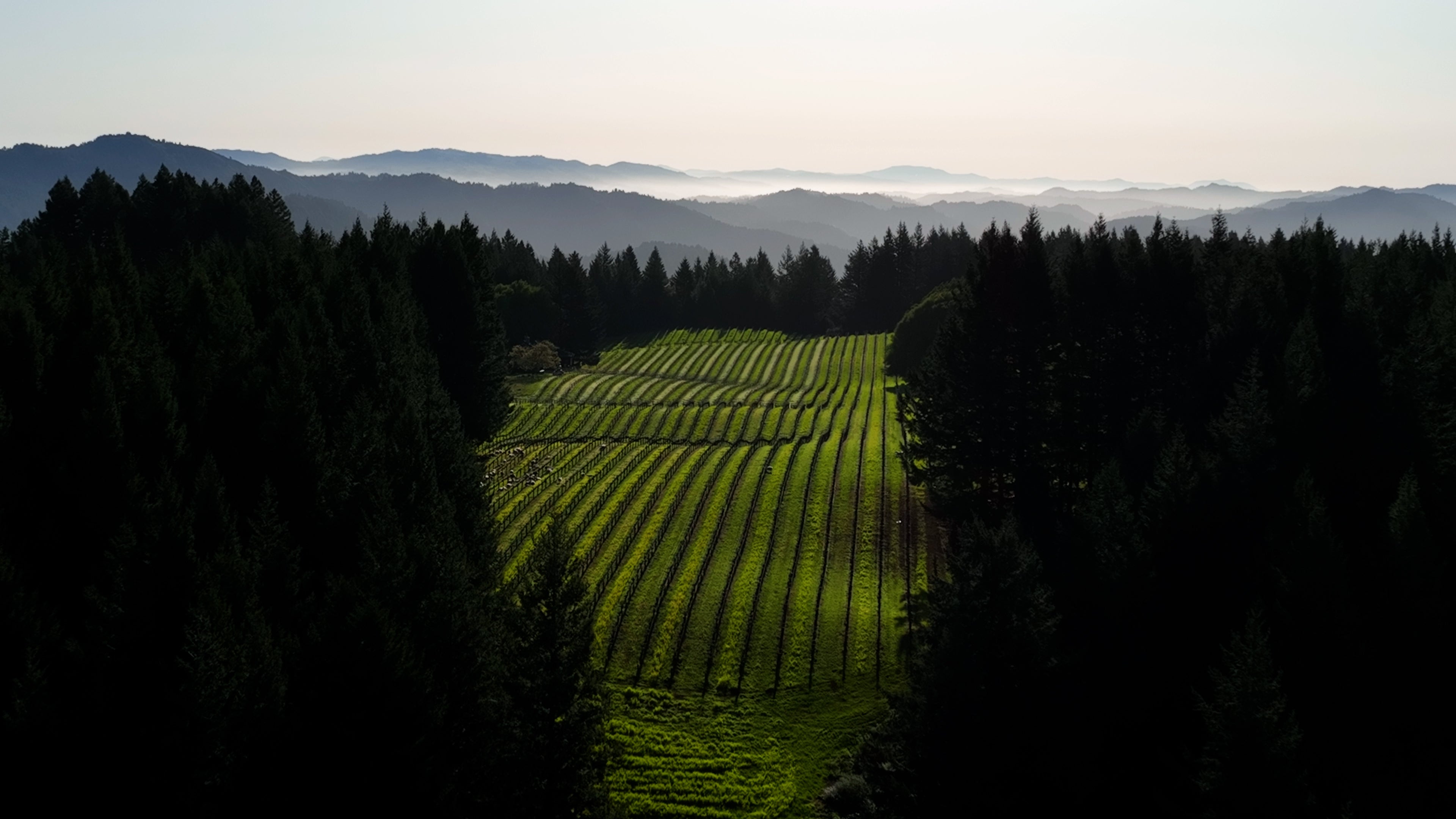
Here at DIRT, we embrace an outcome-based approach to our regenerative efforts. It’s not enough for us to "do less harm"; we are committed to healing the land, improving soil health, and boosting biodiversity through site-specific regenerative methods that are not only impactful but measurable. To provide you with results that you can trust, a third-party assesses our vineyards. Every year, we measure our regenerative efforts through soil vitality, nutrient & water cycle monitoring as well as biodiversity enhancement, ensuring that our practices yield tangible, verifiable results. To share our journey, we publish our ecological and nutritional outcomes at the vineyard and in our wine on our transparency page here.
Empty Claims in the Wild West of Regenerative Agriculture
Unfortunately, the rise of regenerative agriculture has also led to a surge in empty claims and greenwashing. Many brands are quick to market themselves as regenerative without embracing the deep, systemic changes required to make a real impact. As noted by Fast Company, regenerative agriculture risks becoming the next greenwashing fad, with some companies using the term without truly committing to nature-positive outcomes.
Even in viticulture, the term "regenerative" is sometimes loosely applied, as highlighted by The Drinks Business, which described the current landscape as "the Wild West" for regenerative claims. Without clear standards or certification bodies in place, some vineyards use regenerative rhetoric while continuing practices that degrade the environment. These false claims dilute the meaning of the term and mislead consumers who genuinely want to make eco-conscious choices.
A Case in Point: Climate-Neutral but Not Regenerative
One example of a well-intentioned but potentially misleading claim comes from wineries that focus on being climate neutral. While offsetting carbon emissions is a worthy goal, it’s not the same as actively regenerating the land. Some vineyards or wineries might achieve carbon neutrality by purchasing offsets without making significant changes to their farming or wine production practices.
As the Wine Enthusiast explains in this article, wineries striving for carbon neutrality isn’t enough. Dr. Robert Boulton, a distinguished professor emeritus in the department of viticulture and enology at UC Davis points out:
“Being carbon neutral doesn’t help, we’re going to stay where we are. If we all went carbon neutral tomorrow, we’re still going to have the wildfires, we’re still going to have the ice caps melting because we did nothing about reversing 120 years of carbon releases.
“We’re sort of [fed] the misinformation that it really isn’t a problem if you’re carbon neutral.”
The biggest question then becomes: Are we truly regenerating the land, or just minimizing the damage?
How Regenerative Viticulture Can Heal Ecosystems
True regenerative viticulture goes beyond minimizing chemical use or offsetting emissions. It involves a systemic approach that includes:
- Restoring soil health: Practices like no-till farming, cover cropping, and the integration of livestock (such as grazing sheep in vineyards) help rebuild the microbial life in soils, allowing them to capture more carbon and retain more water.
- Enhancing biodiversity: Encouraging native plants, beneficial insects, and animals fosters a more resilient ecosystem, where vines thrive in harmony with their natural surroundings.
- No chemical inputs While regenerative viticulture isn't always synonymous with organic, many regenerative vineyards avoid synthetic pesticides, herbicides and fungicides, prioritizing natural solutions that are effective but don’t negatively impact the surrounding ecosystem.
Regenerative agriculture represents a seismic shift in the wine industry. As Jancis Robinson says, it’s about "farming as though there’s no tomorrow," with a focus on long-term ecosystem health.
The Need for Certification and Standards
While the concept of regenerative viticulture is promising, the lack of standardized certifications makes it difficult for consumers to know which vineyards are truly practicing regenerative agriculture. New initiatives like Regenified and ROC (Regenerative Organic Certification) aim to provide a certification framework for regenerative practices, helping to distinguish between genuine efforts and greenwashing. As Wine Enthusiast highlights, more vineyards are working to obtain regenerative farming certifications, but the industry still lacks the widespread oversight necessary to ensure consistency. The recent definition of regenerative agriculture through the State of California is further muddying the waters for the consumer.
For now, the best way for consumers to support regenerative vineyards is to ask questions, look for transparency, and dig deeper into what each winery is doing to restore the land.
Dirt Wine's Regenerative Approach: Transparency & Proof
We believe in tangible results rather than words alone. Our regenerative viticulture practices are built on transparency and measurable outcomes. We go beyond process optimization by focusing on concrete results, which is why we publish our annual third-party vineyard and land assessment report from The Savory Institute’s Land to Market Verification program on our website for all to see. We believe that consumers deserve to know exactly how their wine is made and the impact it has on the environment.
By embracing regenerative farming, we actively work to improve the soil, boost biodiversity, and leave the land healthier for future generations. Our goal is to create a nature-positive wine that not only reduces harm but regenerates the land.
Conclusion
Regenerative viticulture has the potential to revolutionize the wine industry, but only if we commit to real change that is rooted in transparency and actually improves the land. In wine regions impacted by climate extremes, it will be crucial for both environmental and economic survival of vineyards. Empty claims and greenwashing threaten to undermine the movement, which is why transparency and measurable outcomes are critical.
As consumers, it's important to recognize the difference between optimizing processes and truly regenerating the land. At Dirt Wine, we choose the path of regeneration, not just for the sake of wine, but for the future of our planet. Join us on this DIRT path!